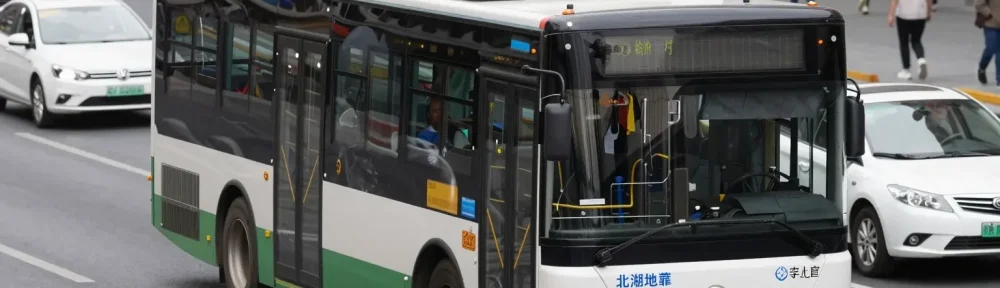
Reliable transportation is a cornerstone of modern society, facilitating the movement of individuals and goods with efficiency and dependability. The concept of reliability in transportation encompasses several dimensions, including vehicles, public transit systems, and the infrastructure that supports them. This article delves into the essential components of reliable transportation, discussing its impact on safety, accessibility, infrastructure, maintenance, and other crucial factors.
Understanding Reliability in Transportation
Reliability in transportation refers to the consistent performance of transport systems in terms of time, safety, and service quality. It is crucial for commuters, logistics operations, and urban planning. A reliable transportation system ensures that passengers and goods arrive at their destinations on time, without unexpected delays or disruptions.
Key Components of Reliable Transportation
- Vehicles: The reliability of transportation heavily depends on the quality and performance of the vehicles used. Whether it’s personal cars, buses, trains, or airplanes, dependable vehicles are essential for ensuring safety and efficiency.
- Public Transit: Public transit systems like buses, subways, and trams must operate on reliable schedules to serve the commuting population effectively. Dependability in public transit reduces travel time and enhances convenience for users.
- Infrastructure: Well-maintained infrastructure, including roads, bridges, and railways, is vital for reliable transportation. Proper infrastructure supports efficient traffic management and reduces delays caused by poor road conditions.
- Maintenance: Regular maintenance of vehicles and infrastructure is key to avoiding breakdowns and ensuring safety. Proactive maintenance strategies contribute to the overall reliability of transportation systems.
The Importance of Reliability in Transportation
Reliability in transportation is crucial for numerous reasons, affecting individuals, businesses, and society as a whole. Here are some reasons why reliable transportation is important:
Efficiency and Cost-effectiveness
Reliable transportation enhances efficiency by reducing travel times and minimizing delays. This not only saves time for commuters but also reduces operating costs for businesses involved in logistics and supply chain management. Cost-effectiveness is achieved through efficient routing, optimal vehicle utilization, and reduced fuel consumption.
Safety and Accessibility
Safety is a paramount concern in transportation. Reliable transportation systems prioritize safety by using well-maintained vehicles and infrastructure. Additionally, accessibility is improved when transportation systems are dependable, ensuring that everyone, including individuals with disabilities, can reach their destinations without hassle.
Sustainability and Environmental Impact
Sustainable transportation practices are becoming increasingly important in the face of climate change. Reliable transportation systems contribute to sustainability by reducing emissions and promoting the use of eco-friendly vehicles and public transit options. Efficient traffic management and urban planning also play roles in minimizing the environmental impact of transportation.
Strategies for Enhancing Transportation Reliability
Improving transportation reliability involves several strategies that address both immediate and long-term challenges. Here are some effective strategies:
Investment in Infrastructure
Investing in infrastructure development and maintenance is critical for improving transportation reliability. Upgrading roads, bridges, and public transit systems ensures they can handle current and future demand without frequent disruptions.
Leveraging Technology
Technological advancements play a significant role in enhancing transportation reliability. Traffic management systems, real-time tracking, and smart transportation solutions improve the efficiency and dependability of transit systems.
Public Transit Improvements
Enhancing public transit systems by expanding routes, increasing frequency, and ensuring punctuality can significantly improve the reliability of urban transportation. This also encourages more people to use public transit, reducing congestion and pollution.
Regular Maintenance and Inspections
Scheduled maintenance and regular inspections of vehicles and infrastructure help prevent breakdowns and ensure safety. Proactive maintenance policies reduce the likelihood of unexpected failures and improve overall transportation reliability.
Challenges in Achieving Reliable Transportation
While the benefits of reliable transportation are clear, achieving it presents several challenges:
- Funding Constraints: Adequate funding is often a barrier to maintaining and upgrading transportation systems.
- Rapid Urbanization: Growing urban populations place additional strain on existing transportation infrastructure.
- Technological Integration: Integrating new technologies with legacy systems can be complex and costly.
- Environmental Concerns: Balancing transportation needs with environmental sustainability requires careful planning and innovation.
The Role of Urban Planning in Transportation Reliability
Urban planning plays a pivotal role in creating reliable transportation systems. Effective urban planning considers current and future transportation needs, ensuring that infrastructure and services can meet demand. It involves:
- Traffic Management: Implementing traffic management strategies to reduce congestion and improve flow.
- Mobility Solutions: Developing mobility solutions that integrate various modes of transportation, such as bike-sharing, carpooling, and public transit.
- Land Use Planning: Coordinating land use with transportation planning to create accessible and efficient transit networks.
Reliable transportation is essential for economic growth, social equity, and environmental sustainability. By focusing on vehicles, public transit, infrastructure, and urban planning, we can enhance the reliability of transportation systems. As we continue to face challenges such as funding constraints and environmental concerns, innovative solutions and strategic investments are necessary to ensure that transportation remains dependable for future generations.