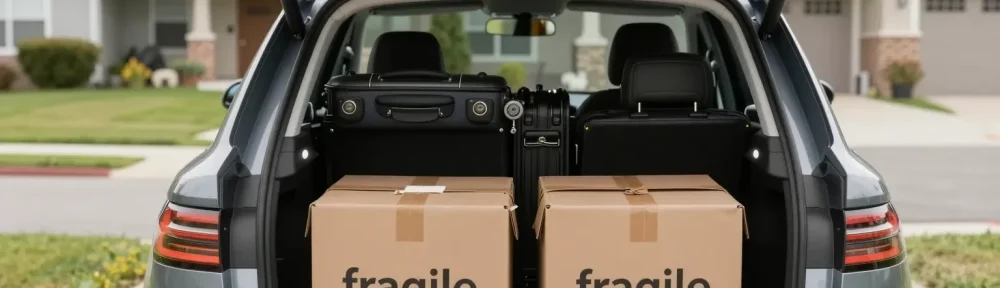
Relocating to a new state can be a daunting task, especially when it involves the transportation of firearms and ammunition. It is crucial to understand the various regulations and legal requirements associated with interstate firearms relocation to ensure compliance and maintain safety during the move. This article outlines the necessary steps and guidelines to help gun owners safely and legally transport their firearms.
Understanding Interstate Transportation Regulations
Before embarking on your move, familiarize yourself with the federal and state regulations governing the interstate transportation of firearms. The Firearm Owners Protection Act (FOPA) provides a legal framework for transporting firearms across state lines, provided the firearms are unloaded, locked, and stored separately from the ammunition. However, it’s essential to verify specific state laws, as they can vary significantly and may impose additional restrictions.
Research State-Specific Gun Laws
Each state has its own set of gun laws that may affect how you transport your firearms. Some states require permits for certain types of firearms or have restrictions on magazine capacities and types of ammunition. Research the gun laws in both your current and destination states to ensure compliance. Websites such as the NRA’s Institute for Legislative Action or state police websites can be valuable resources.
Legal Compliance and Documentation
To ensure legal compliance, it is important to maintain proper documentation of your firearms. This includes having up-to-date registration and permits where required. Keep copies of purchase receipts, serial numbers, and any relevant permits readily accessible. This documentation may be necessary if questioned by law enforcement during transit or upon entering your new state.
Packing and Safety Procedures
Proper packing and safety precautions are vital when transporting firearms. Here are some guidelines to follow:
- Unload Firearms: Ensure all firearms are unloaded before packing.
- Secure Storage: Use lockable hard cases to secure firearms, and ensure they are stored in a location inaccessible to unauthorized individuals.
- Separate Ammunition: Pack ammunition separately from firearms, in a locked container. Follow any specific regulations regarding ammunition transportation.
- Labeling: Avoid labeling boxes with firearms to prevent theft or unwanted attention.
Using a Moving Company
If you choose to use a moving company, verify that they are licensed and insured to transport firearms. Some companies may have specific policies or restrictions regarding firearms transportation, so communicate clearly about your needs. Ensure that the moving company follows all legal procedures and guidelines for transporting firearms safely.
Permits and Legal Transfer
In some cases, you may need to obtain permits or complete a legal transfer of firearms when moving interstate. This is particularly true if you’re moving to a state with stringent gun laws. Consult with a legal expert or contact the appropriate state authorities to determine if additional permits are necessary. Adhering to these requirements is crucial to avoid legal complications.
Travel and Safety Considerations
When traveling with firearms, prioritize safety and security. Here are some travel tips:
- Plan Your Route: Plan your travel route in advance and avoid states with restrictive gun laws if possible.
- Secure Firearms During Travel: Keep firearms locked and secured at all times during travel.
- Be Aware of Local Laws: Understand the laws of each state you pass through to ensure compliance.
Storage and Secure Handling
Upon arrival at your new home, immediately arrange for secure storage of your firearms. Consider investing in a gun safe if you do not already own one. This ensures that your firearms are stored securely and safely, protecting them from theft and unauthorized access.
Transporting firearms when moving out of state requires careful planning and adherence to legal guidelines. By understanding the interstate transportation regulations, securing proper documentation, and following safe packing and travel procedures, you can ensure a smooth and compliant relocation process. Always prioritize safety and legal compliance to protect your rights and responsibilities as a firearm owner.
By following these comprehensive guidelines, gun owners can navigate the complexities of interstate firearm transportation while ensuring compliance with all necessary regulations and legal requirements.