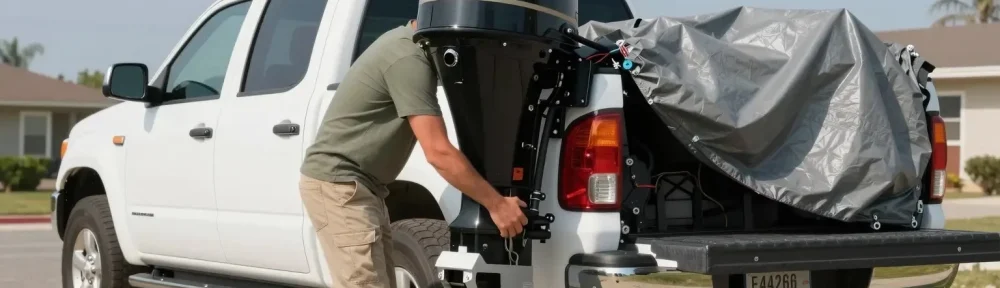
Transporting an outboard motor requires careful planning and execution to ensure the engine’s safety and functionality. Outboard motors are essential components for many boats, providing the necessary power to navigate waters. Proper handling and transportation are crucial to maintaining the motor’s efficiency and longevity. This article explores the necessary steps and precautions for transporting an outboard motor safely and securely.
Preparing for Transportation
Before transporting your outboard motor, it is important to follow specific guidelines to prepare it for the journey. These steps include checking the engine’s weight and balance, ensuring all necessary equipment is available, and understanding the logistics of transportation.
Check the Engine’s Weight and Balance
The first step in preparing your motor for transport is to determine the weight and balance of the engine. Knowing the weight is crucial for choosing the appropriate vehicle and trailer for transportation. It’s vital to ensure the motor is balanced correctly to prevent damage during transit.
Gather Necessary Equipment
Ensure you have all the required equipment for safe transportation. This includes a sturdy mount or bracket to secure the motor, protective cover for the engine, and any tools needed for mounting and dismounting.
Loading and Securing the Motor
Once you have prepared your motor, the next step is to load and secure it correctly on the trailer or vehicle. Proper loading and securing techniques prevent damage and enhance safety during transport;
Using a Mount or Bracket
Utilize a strong mount or bracket to hold the motor in place. The bracket should be compatible with the engine’s size and weight. Securely attach the motor to the bracket using bolts or straps, ensuring it is stable and immovable.
Cover and Protect the Motor
Protecting the motor from environmental elements is crucial. Use a waterproof cover to shield the engine from moisture, dust, and debris. This protection is essential to prevent corrosion and damage during transportation.
Transportation Guidelines
With the motor securely loaded, adhere to specific guidelines for transporting it safely. These include maintaining proper balance, monitoring fuel levels, and following traffic and safety regulations.
Maintain Proper Balance
Ensure the motor is well-balanced on the trailer or vehicle to prevent tipping or shifting during transit. Improper balance can lead to accidents or damage to the motor and vehicle.
Monitor Fuel Levels
Check the fuel levels before transportation. It may be advisable to drain excess fuel to reduce weight and minimize the risk of leaks. Follow manufacturer instructions for handling fuel during transport.
Safety and Precautions
Prioritize safety by taking necessary precautions during transport. Understanding potential risks and knowing how to address them can safeguard both the motor and those involved in transportation.
Follow Traffic and Safety Regulations
Adhere to all local traffic laws and safety regulations while transporting the motor. This includes speed limits, secure loading protocols, and visibility requirements for trailers.
Regular Maintenance Checks
Conduct regular maintenance checks on the motor before and after transportation. This includes inspecting for any signs of wear or damage and ensuring all parts are functioning correctly.
Transporting an outboard motor involves careful planning, secure handling, and adherence to safety guidelines. By preparing adequately, securing the motor properly, and following transportation regulations, you can ensure that your motor reaches its destination safely and without damage. Always prioritize safety and protection to maintain the motor’s performance and longevity.