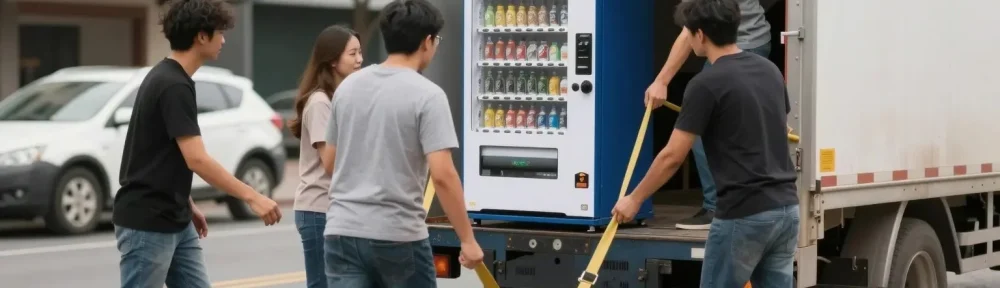
Transporting a vending machine is a task that requires careful planning and execution. These machines are heavy, awkwardly shaped, and sensitive, making the process of moving them challenging. This article will guide you through the essential steps to ensure a safe and efficient relocation, focusing on logistics, equipment, and safety procedures.
Preparation
Proper preparation is key to a successful vending machine transport. Here are some guidelines to follow:
- Evaluate the Weight: Know the weight of your vending machine to plan the moving procedure and equipment accordingly;
- Plan the Route: Assess the path from the current location to the truck and from the truck to the new location. Look for obstacles such as stairs, narrow doors, or uneven surfaces.
- Gather Equipment: Essential equipment includes a heavy-duty dolly, straps, and possibly a winch for loading and unloading.
- Secure the Machine: Ensure all items inside the vending machine are removed or securely fastened to prevent damage.
The Moving Process
The moving process involves several steps, each requiring attention to detail to maintain safety and efficiency.
Loading the Vending Machine
- Position the Dolly: Tilt the vending machine slightly and slide the dolly underneath. Ensure the machine is balanced on the dolly to prevent tipping.
- Secure with Straps: Use heavy-duty straps to secure the vending machine to the dolly, ensuring it is tightly fastened and cannot shift during transport.
- Transport to the Truck: Carefully wheel the vending machine to the truck, maintaining a slow and steady pace to keep control.
- Load into the Truck: Use a ramp if available to guide the machine into the truck. If a ramp is unavailable, a lifting tool or winch may be necessary.
- Secure in the Truck: Once in the truck, use additional straps to secure the vending machine to the interior of the truck, preventing movement during transit.
Transporting the Machine
Transporting the vending machine involves moving it to its new location. Follow these guidelines for a smooth journey:
- Drive Carefully: Ensure the truck is driven smoothly to avoid sudden stops or sharp turns that can shift the vending machine.
- Monitor the Weather: Be aware of weather conditions that may affect transportation, such as rain or snow, and plan accordingly.
- Communicate: Maintain communication with your team throughout the transport to address any immediate issues.
Unloading and Final Placement
Once you reach the destination, unloading and placing the vending machine is the final step.
- Unload with Care: Utilize a ramp or winch to carefully remove the vending machine from the truck.
- Position with the Dolly: Use the dolly to move the machine to its final location, ensuring the route is clear.
- Final Checks: Once in place, remove the straps and double-check the vending machine for any signs of damage.
- Balance and Secure: Ensure the vending machine is balanced and securely positioned to prevent tipping.
Safety Considerations
Safety should always be a priority when transporting heavy equipment like a vending machine. Here are important safety guidelines:
- Wear Protective Gear: Use gloves, steel-toed boots, and back support to protect yourself during the move.
- Team Effort: Never attempt to move a vending machine alone. Have a team to assist with the moving process.
- Follow Lifting Techniques: Use proper lifting techniques to avoid back injuries, bending at the knees and keeping the back straight.
- Check Equipment: Regularly inspect the dolly, straps, and any other equipment for signs of wear or damage before use.
Transporting a vending machine is a complex task that involves careful planning, the right equipment, and adherence to safety guidelines. By following the steps outlined in this article, you can ensure a smooth and successful relocation of your vending machine. Always prioritize safety and preparation to mitigate risks and ensure the vending machine arrives at its new location in excellent condition.