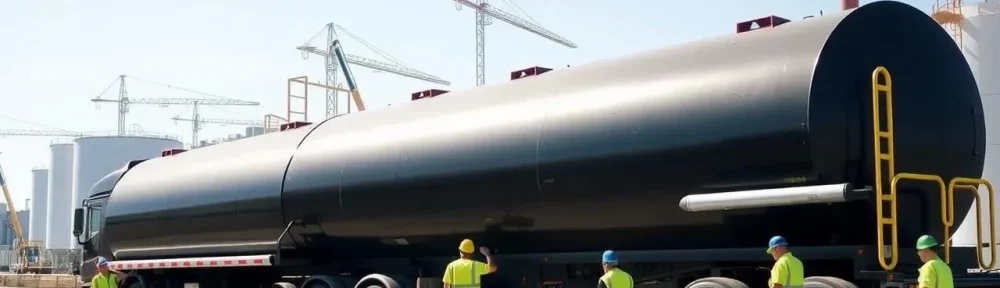
Bitumen, a heavy and viscous form of crude oil, plays a crucial role in the energy industry. Its transportation from extraction sites to refineries and end-users involves complex logistics and specialized infrastructure. This article explores the various methods of transporting bitumen, focusing on pipelines, tankers, railcars, and other modes, while emphasizing the importance of safety measures, environmental regulations, and technological innovations.
Transportation Methods
Pipelines
Pipelines are a primary mode of transportation for bitumen blends. These pipelines are specifically designed to handle the high viscosity of bitumen. To facilitate flow, bitumen is often mixed with a diluent, a lighter hydrocarbon, creating a bitumen blend that has reduced viscosity. This blend allows for easier pumping through long-distance transport pipelines, minimizing the energy required and optimizing flow rates.
Railcars
Railcars provide flexibility and additional capacity for transporting bitumen overland. Heated transport systems are commonly used in railcars to maintain the bitumen at a manageable viscosity. This involves specially designed railcars equipped with heating elements that prevent the bitumen from solidifying during transit. Rail transport is particularly viable where pipeline infrastructure is limited or when reaching remote locations.
Tankers
For marine transportation, tankers play an essential role in moving bitumen across international waters. These marine vessels are equipped with heating systems to keep the bitumen at an appropriate temperature and viscosity throughout the journey. The shipping of bitumen via tankers requires careful planning and coordination with loading facilities and storage tanks to ensure efficient loading and unloading processes.
Infrastructure and Facilities
Storage Tanks
Storage tanks are critical in the logistics chain for bitumen transportation. These tanks are designed to accommodate the high density and temperature requirements of bitumen. They play a vital role in loading and unloading operations, acting as intermediate holding points to balance supply and demand fluctuations in the transportation infrastructure.
Loading and Unloading Facilities
Loading facilities are equipped with specialized pumps and heating systems to transfer bitumen from storage tanks to pipelines, railcars, or marine vessels. Unloading facilities, in turn, are designed to receive bitumen and prepare it for refining or further distribution. These facilities must adhere to stringent safety measures and environmental regulations to prevent spills and minimize environmental impact.
Safety and Environmental Considerations
The transportation of bitumen involves inherent safety and environmental challenges. Safety measures include maintaining proper temperature control, pressure monitoring, and regular inspection of transportation infrastructure. Compliance with environmental regulations is paramount to prevent spills and reduce emissions during transport. Innovations in technology continue to enhance the safety and efficiency of bitumen transport.
Challenges in Bitumen Transportation
The logistical complexities of transporting bitumen are compounded by its physical properties and the distances involved. Managing the viscosity of bitumen is crucial, requiring heated transport solutions and precise blending with diluents. Furthermore, coordinating between various modes of transport—pipelines, railcars, and tankers—demands meticulous planning and collaboration across the energy industry.
Bitumen transportation is a multifaceted operation that integrates diverse transportation methods, sophisticated infrastructure, and stringent safety protocols. As the demand for crude oil continues to evolve, so too will the strategies and technologies employed in its transport. Through innovation and adherence to regulations, the energy industry strives to ensure that bitumen reaches its destinations efficiently and safely.