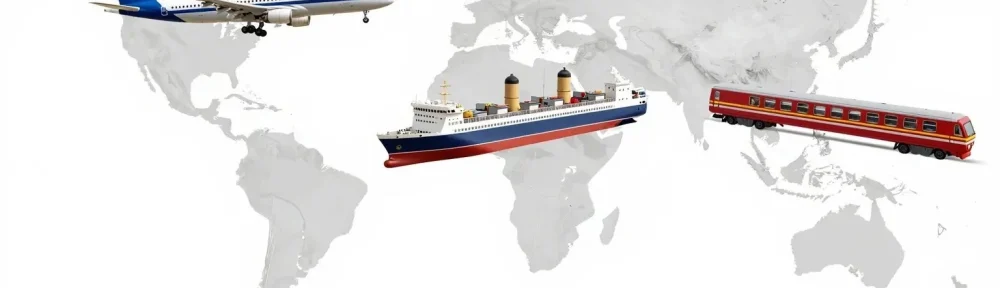
Transportation has played a pivotal role in the phenomenon of globalization, serving as the backbone of global trade and connectivity․ By enabling efficient movement of goods, people, and ideas across international markets, transportation has facilitated a cultural exchange and economic growth that transcends borders․
The Role of Transportation in Global Trade
Global trade relies heavily on robust logistics and supply chain networks․ The shipping industry, which includes both maritime and air travel, is indispensable in the transportation of goods․ Technological advancements in these sectors have significantly reduced transportation costs, thereby making international markets more accessible․ Freight transport has become more efficient, allowing for the rapid export-import of goods worldwide․
Technological Advancements in Transportation
Technological advancements have revolutionized transportation, resulting in profound impacts on globalization․ Innovations in shipping and air travel have improved mobility and decreased transit times, enhancing the global economy․ Modern infrastructure development has further supported this growth, creating sophisticated communication networks and transportation systems that connect even the most remote regions;
Infrastructure Development and Urbanization
Infrastructure development is critical in supporting globalization, particularly in urban areas experiencing rapid growth․ Urbanization leads to the expansion of cities, requiring improved transportation systems to maintain efficient connectivity․ This development supports global trade by ensuring seamless integration into international supply chains․
Efficiency in Supply Chains and Logistics
The logistics sector has seen significant improvements in efficiency due to advancements in transportation technology․ Enhanced freight transport capabilities ensure that goods are delivered swiftly and reliably, which is crucial for maintaining competitiveness in international markets․ This efficiency reduces transportation costs and enhances the overall productivity of global trade networks․
Cultural Exchange and Economic Growth
Transportation has not only affected the movement of goods but also facilitated cultural exchange and economic growth․ By connecting diverse cultures, transportation allows for the sharing of ideas, traditions, and innovations, enriching societies worldwide․ This cultural exchange drives economic growth by fostering new markets and opportunities for collaboration․
Mobility and Global Economy
The mobility provided by modern transportation systems is essential for the functioning of the global economy․ It enables businesses to operate on an international scale, accessing new markets and resources․ The interconnectedness facilitated by transportation promotes economic growth by opening up avenues for trade and investment․
Challenges and Future Prospects
While transportation has significantly contributed to globalization, it also presents challenges such as environmental impacts and the need for sustainable practices․ Future prospects in transportation will likely focus on reducing these impacts through innovations in green technology and alternative fuels․ Continued investment in infrastructure development will be necessary to support the growing demands of global trade and connectivity․