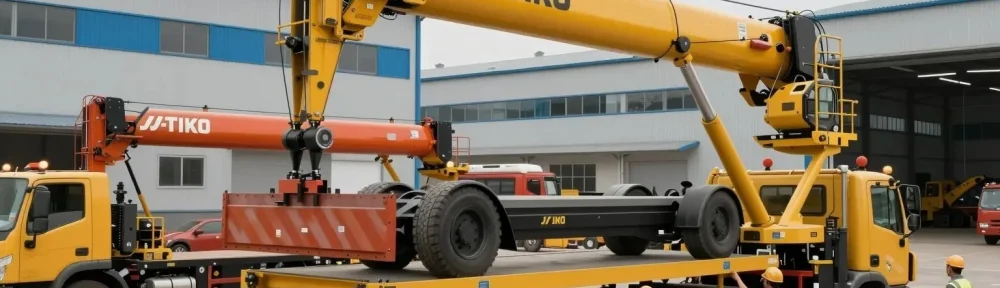
Cranes are an essential piece of heavy machinery in the construction industry, used for lifting and moving heavy materials with precision․ However, the logistics of transporting these colossal machines from one location to another is a complex process that requires careful planning and coordination․ This article explores the various aspects involved in the transportation of cranes, including dismantling, assembly, permits, and safety measures․
The Complexity of Crane Transportation
Transporting cranes involves more than just moving a piece of equipment from point A to point B․ Given the size and weight of cranes, special considerations must be made to ensure their safe and efficient transport․ This includes dismantling the crane into smaller components, choosing appropriate transportation methods, and adhering to strict road regulations․
Dismantling and Assembly
Before a crane can be transported, it typically needs to be dismantled into its major components․ This process involves breaking down the crane into manageable parts such as the boom, counterweights, and cab, depending on the type of crane․ Dismantling not only makes the transport easier but also helps in distributing the weight evenly, thus preventing damage to the crane and ensuring road safety during transit․
Transportation Methods
- Flatbed Trucks: The most common method for transporting crane components is using flatbed trucks․ These trucks are ideal for oversized loads due to their open beds, which can accommodate the large dimensions of crane parts․
- Trailers: Specialized trailers, such as extendable trailers, are used for transporting longer crane components like booms․
Transport companies specializing in heavy machinery are often contracted to handle the logistics of moving cranes․ They ensure that the right type of truck or trailer is selected based on the load capacity and weight distribution requirements․
Permits and Routes
Transporting oversized loads like cranes requires specific permits․ These permits are issued by local authorities and are essential for ensuring compliance with road regulations․ The permits also dictate the approved routes, which are carefully planned to avoid low bridges, narrow roads, and other obstacles that could impede the transport of large crane components․
Safety Measures
Safety is a paramount concern when transporting cranes․ This includes using escort vehicles or pilot cars to guide the transport convoy, especially in areas with heavy traffic or challenging road conditions․ These vehicles help ensure the safety of both the transport crew and other road users by providing advanced warning of the oversized load․
Challenges in Crane Transportation
Transporting cranes comes with its set of challenges․ One major challenge is adhering to the weight limitations imposed by road regulations․ Each crane component must be loaded in a way that ensures proper weight distribution to prevent accidents or road damage․
Load Capacity and Weight Distribution
Understanding the load capacity of the transportation vehicles is crucial․ Overloading can lead to mechanical failures or accidents․ Proper weight distribution is also essential to maintain stability during transit․ This involves strategic placement of crane components on the transport vehicle to avoid tipping or shifting during the journey․
Road Regulations
Each region has specific road regulations governing the transport of heavy machinery․ Transport companies must be well-versed in these regulations to avoid fines or delays․ This includes adhering to speed limits, following designated routes, and ensuring that all necessary permits are obtained and displayed․
Transport Companies and Crane Rental
Transport companies play a vital role in the logistics of moving cranes․ These companies are equipped with the expertise and equipment necessary to handle oversized loads․ They also coordinate with crane rental services to ensure that the cranes are delivered and set up at construction sites efficiently․
Crane Rental Services
Crane rental services often work hand in hand with transport companies․ Once a crane is transported to a construction site, it must be reassembled and thoroughly inspected for safety and functionality․ This collaboration ensures that the cranes are operational and ready for use as soon as they arrive at their destination․
Escort Vehicles and Pilot Cars
Escort vehicles, also known as pilot cars, are essential for the safe transport of cranes․ They help navigate the transport convoy through challenging routes and provide additional safety measures by alerting other drivers of the oversized load․
The transportation of cranes is a complex task that involves meticulous planning and execution․ From dismantling and assembly to securing permits and ensuring safety, each step is crucial to the successful and efficient transport of these massive machines․ With the expertise of transport companies and the cooperation of crane rental services, cranes can be moved safely to construction sites where they continue to play a vital role in the building and development of infrastructure․