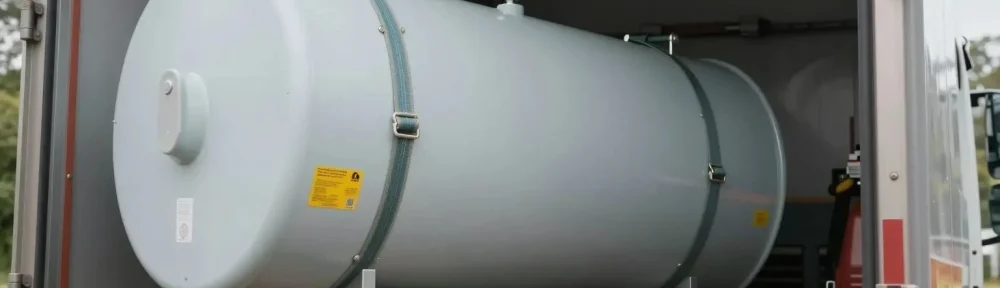
Transporting a hot water heater can be a challenging task, especially when considering the best practices for ensuring its safety and the safety of those involved in the move. Understanding the guidelines and precautions for transporting a hot water heater is crucial to avoid any potential damage or safety hazards. This article will delve into whether you can transport a hot water heater on its side and provide detailed information on best practices for moving and installing these essential pieces of equipment.
Understanding the Structure of a Hot Water Heater
Before determining the best way to transport a hot water heater, it’s important to understand its basic structure. Hot water heaters are typically heavy and bulky appliances that contain an inner tank designed to hold a significant volume of water. This inner tank is surrounded by insulation and an outer shell, which are all crucial for the stability and efficiency of the heater.
Manufacturer Instructions and Guidelines
Most manufacturers provide specific instructions and guidelines for transporting their water heaters. These guidelines are typically aimed at preventing any damage to the heater’s internal components. It is essential to consult the manufacturer’s manual or contact them directly to ensure you are following the recommended procedures.
Vertical vs. Horizontal Positioning
The primary concern when transporting a hot water heater is whether it should be positioned vertically or horizontally. Manufacturers often recommend transporting the heater in an upright position. This is because a vertical position helps maintain the structural integrity of the tank and prevents potential damage to internal components.
Risks of Horizontal Transport
Transporting a hot water heater on its side (horizontal) can pose several risks:
- Internal Damage: The inner tank and components such as the anode rod and dip tube can be compromised if the heater is transported horizontally.
- Safety Hazards: A heater transported on its side may not be stable, increasing the risk of it tipping over during transport, which can cause injury or further damage.
Precautions and Safety Measures
Secure Positioning
Regardless of the positioning, securing the hot water heater is vital. Use proper equipment such as straps and braces to keep the heater stable during the move within the vehicle. Ensure that the heater is positioned in a way that prevents any shifting or sliding.
Handling and Transport
When handling the hot water heater, use appropriate lifting techniques to avoid injury. If possible, enlist the help of others to manage the weight and bulk of the heater safely. Use dollies or carts to aid in moving the heater to and from the transportation vehicle.
Installation and Plumbing Considerations
Once the hot water heater has been transported to its new location, proper installation is crucial. Ensure the heater is positioned vertically and on a stable surface. Connect the plumbing carefully to avoid leaks and check all connections before operating the heater.
Checking for Damage
After installation, inspect the heater for any signs of damage that may have occurred during transport. Look for dents, leaks, or any irregularities in operation. Address any issues immediately to prevent further complications.
While it might be tempting to transport a hot water heater on its side for convenience, it is generally not recommended due to the potential risks and damage it can cause. Always prioritize following the manufacturer’s instructions and take necessary precautions to ensure the safe transport and installation of your hot water heater. By adhering to safety guidelines and using the proper handling techniques, you can successfully move your hot water heater without compromising its functionality or safety.