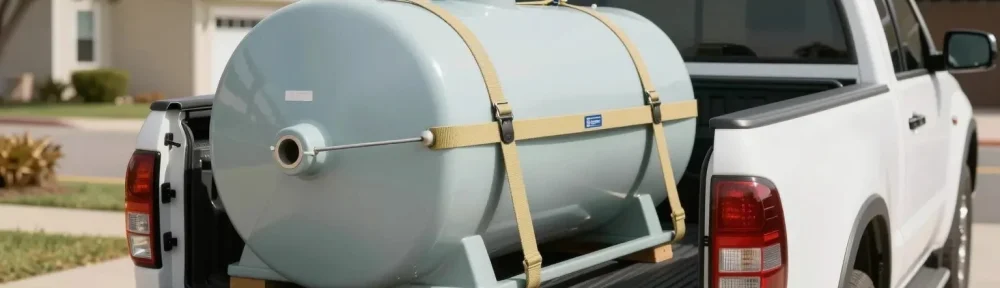
Transporting a water heater can be a daunting task, especially if you’re unsure about the proper methods to ensure its safety and functionality․ One common question that arises is whether it is safe to transport a water heater on its side․ In this article, we’ll explore the guidelines and precautions for moving a water heater, ensuring you do so without compromising its integrity or your safety․
Understanding the Basics of Water Heater Transport
When it comes to moving a water heater, the orientation during transport is crucial․ Water heaters are designed to function in a specific position, typically upright․ However, certain situations may necessitate transporting the unit on its side․ Before proceeding, it’s essential to consult the manufacturer’s instructions to understand any specific guidelines related to your model․
Manufacturer’s Guidelines and Warranty
Most manufacturers provide specific instructions in the manual regarding the transport of water heaters․ Adhering to these instructions is crucial not only for the safety of the equipment but also for preserving the warranty․ Transporting the unit in a manner contrary to the manufacturer’s recommendations could result in damage and void the warranty․
Why Orientation Matters
The orientation of a water heater during transport is important for several reasons:
- Support and Stability: Water heaters are designed to stand upright, and their internal components are supported accordingly․ Transporting on the side can lead to instability and potential internal damage․
- Plumbing Connections: The connections and fittings are optimized for vertical positioning․ Laying the unit on its side can put undue stress on these components․
- Safety: Proper handling and secure positioning minimize the risk of accidents during transport․
Potential Risks of Side Transportation
Transporting a water heater on its side poses several risks:
- Internal Damage: The stress on the internal components can lead to cracks or dislodgment, especially in models with glass-lined tanks․
- Plumbing Issues: Stress on the plumbing connections can result in leaks or damage that may not be immediately apparent․
- Equipment Instability: Without proper support, the water heater may move during transport, increasing the risk of damage․
Guidelines for Secure Transport
If you must transport a water heater on its side, follow these transport tips to minimize risks:
- Consult the Manufacturer: Always check the manual for any specific guidelines related to your model․
- Drain the Water Heater: Ensure the tank is completely drained to reduce weight and prevent water leakage․
- Protect the Exterior: Use blankets or padding to protect the exterior from scratches and dents․
- Secure in the Vehicle: Use straps to secure the water heater in the vehicle, ensuring it does not shift during transit․
- Positioning: Place the water heater on a stable surface, ensuring it is supported and does not roll․
- Handle with Care: Avoid sudden movements or impacts that may cause internal damage․
Installation and Post-Transport Checks
After moving the water heater to its new location, conduct the following checks before installation:
- Inspect for Damage: Check for any visible damage to the exterior and internal components․
- Check Plumbing Connections: Ensure all connections are secure and free from leaks․
- Stability and Support: Confirm the unit is upright and stable in its final position․
While it is possible to transport a water heater on its side, it should be done with caution and in accordance with the manufacturer’s guidelines․ Emphasizing safety and proper handling techniques will help prevent damage and ensure the longevity of your water heater․ By following these precautions, you can safely move your water heater without compromising its functionality or your warranty․