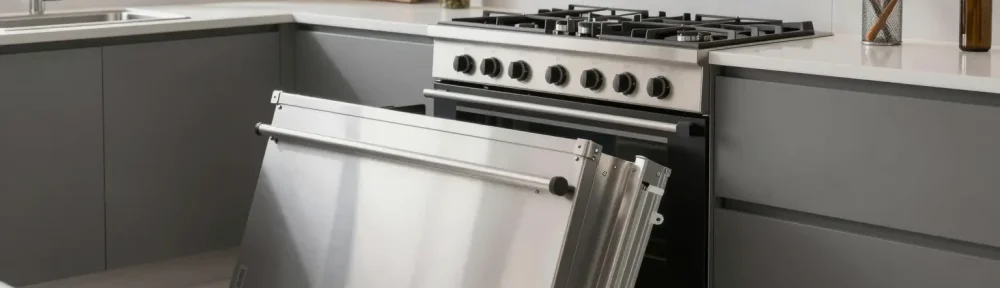
Transporting a stove or any major appliance requires careful consideration to ensure safety and prevent damage. Whether you are moving to a new home or simply relocating the stove within your current residence, it is crucial to follow specific guidelines and instructions for safe handling. One common question that arises is whether it is safe to lay a stove on its side for transport.
Understanding the Appliance: The Stove
Stoves are essential kitchen appliances that come in various designs, including electric, gas, and dual-fuel models. Each of these types has different components and considerations when it comes to moving. The intricate internal parts and external features of a stove make it crucial to handle them with care during transport. Incorrect handling can lead to significant damage and costly repairs.
Considerations for Laying a Stove on Its Side
Before deciding to lay a stove on its side, it is important to consider several factors:
- Internal Components: The internal components of a stove, such as burners, igniters, and electrical wiring, may become dislodged or damaged if the stove is not kept in an upright position.
- Gas Connections: For gas stoves, laying the appliance on its side can affect the gas connections, leading to potential leaks and safety hazards.
- Stability: The stove must be stable during transport. Laying it on its side can compromise stability and increase the risk of tipping or falling, causing damage to the appliance or injury to those handling it.
Guidelines for Safe Transport
To ensure the safe transport of a stove, follow these important guidelines:
- Consult the Manufacturer’s Instructions: Always refer to the manufacturer’s instructions or manual for specific guidelines on moving the appliance. The manual will provide details on any restrictions regarding tilting or laying the stove on its side.
- Secure All Parts: Before moving the stove, secure all loose parts and accessories, such as grates and oven racks, to prevent them from shifting during transport.
- Use Proper Equipment: Utilize appropriate moving equipment, such as a dolly or hand truck, to support the stove and prevent unnecessary tilt or movement.
- Protection and Padding: Wrap the stove in protective padding or blankets to safeguard it from scratches, dents, and other physical damage.
- Loading and Unloading: Exercise caution during the loading and unloading process. Ensure the stove remains upright, and do not lay it on its side unless absolutely necessary.
Precautions and Safety Measures
While laying a stove on its side is generally not recommended, there may be situations where it is unavoidable. If you must lay the stove on its side, take these precautions and safety measures:
- Temporary Positioning: Ensure that laying the stove on its side is only temporary and for the shortest duration possible.
- Support and Stability: Provide adequate support to prevent the stove from shifting or falling over. Utilize straps or braces to maintain stability.
- Monitor for Damage: After repositioning the stove to its upright position, inspect it thoroughly for any signs of damage or misalignment.