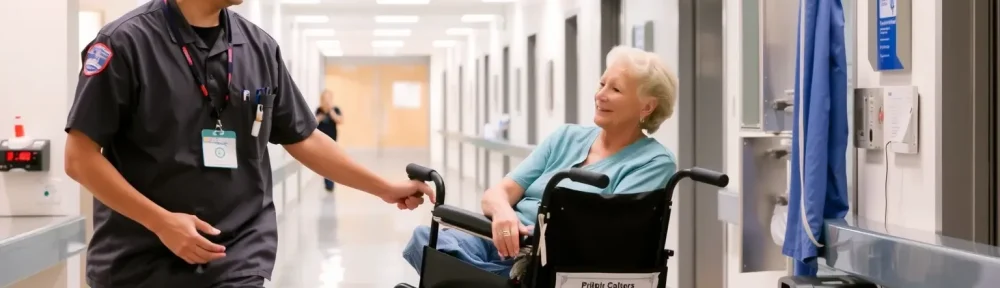
The role of transporters in a healthcare facility is crucial for maintaining smooth hospital operations and ensuring patient safety. These individuals are key to efficient hospital logistics, ensuring that patients, medical equipment, and other materials are moved safely and efficiently across various hospital departments. This article delves into the multifaceted responsibilities of transporters within the hospital setting.
The Role of Patient Transporters
Patient transporters are responsible for patient mobility within the hospital. They facilitate intra-hospital transport, moving patients from one department to another, such as from the emergency room to radiology, or from surgery to recovery. This involves stretcher handling, wheelchair assistance, and ensuring that patients are comfortable and secure during transit.
Hospital Logistics and Coordination
Transporters play a vital role in hospital logistics, coordinating with various departments to ensure timely and efficient patient transport. They work closely with the healthcare team to prioritize urgent transports, such as surgical transport and emergency response, thereby contributing to effective hospital operations.
Effective Staff Coordination
Staff coordination is essential for smooth intra-hospital transport. Transporters must communicate with nurses, doctors, and other clinical support staff to obtain necessary information about the patient’s condition and any special requirements during transport. This coordination helps to minimize delays and enhance patient safety.
Handling Medical Equipment and Supplies
In addition to patient transport, transporters are often responsible for moving medical equipment and supplies between departments. This includes ensuring that equipment is delivered to the correct location in a timely manner, which is critical for clinical support during emergency situations or surgical procedures.
Ensuring Patient Safety
Patient safety is a top priority for transporters. They are trained to handle patients with care, ensuring that all safety protocols are followed during transport. This includes secure placement on stretchers or wheelchairs, monitoring for any signs of distress, and ensuring that patients are transported in a manner that minimizes discomfort or risk.
Challenges Faced by Hospital Transporters
Hospital transporters often face challenges such as navigating crowded corridors, adhering to strict schedules, and managing multiple transport requests simultaneously. Despite these challenges, their role is indispensable in maintaining the efficiency and responsiveness of hospital operations.
Training and Skills Required
Transporters must possess specific skills, including physical strength, attention to detail, and excellent communication skills. They receive training in patient handling, emergency response, and the operation of medical equipment, preparing them for the varied demands of the job.
The Impact of Technology on Hospital Transport
Advancements in technology have significantly impacted hospital logistics and patient transport. Electronic tracking systems and communication tools enable transporters to receive real-time updates and optimize routes, enhancing the efficiency of hospital operations.
Future Trends in Patient Transport
The future of patient transport in healthcare facilities may include increased automation, such as the use of robotic transporters for moving medical equipment and supplies. This innovation could further streamline hospital logistics and free up human transporters for more complex tasks that require personal interaction and care.
Transporters are an integral part of the healthcare team, ensuring that patients and medical equipment are moved safely and efficiently across the hospital. Their role requires a combination of physical capability, communication skills, and a commitment to patient safety. As technology continues to evolve, the role of transporters will adapt, further enhancing the efficiency of hospital operations and contributing to the overall quality of patient care.