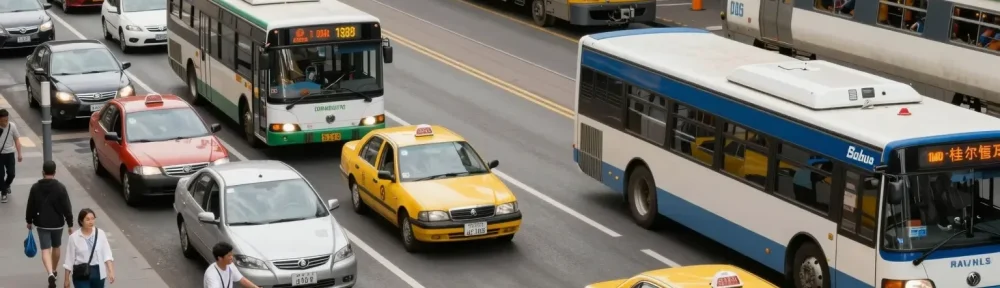
Transportation services are an essential component of modern society‚ encompassing a wide array of systems and processes that facilitate the movement of people and goods from one place to another. This article explores the various facets of transportation services‚ including logistics‚ public transit‚ and freight‚ and their impact on mobility‚ infrastructure‚ and the overall supply chain.
Understanding Transportation Services
At its core‚ transportation services refer to the myriad methods and systems used to move passengers and cargo across different destinations. These services are critical for ensuring accessibility and connectivity‚ both within urban centers and across regions. They encompass a range of industries and sectors‚ including public transit‚ freight shipping‚ and personal travel;
Public Transit Systems
Public transit refers to shared passenger transportation services available for use by the general public. These systems are designed to enhance mobility and accessibility in urban and suburban areas. Common forms of public transit include buses‚ trains‚ subways‚ and trams‚ which operate on predefined routes and schedules.
- Accessibility: Public transit systems are designed to provide all individuals with access to transportation‚ reducing reliance on personal vehicles and alleviating traffic congestion.
- Commuting: They offer efficient commuting options for daily travelers‚ helping to reduce the environmental impact and improve air quality.
Freight and Shipping
Freight services are focused on the transportation of goods and cargo. This sector is a cornerstone of the global supply chain‚ ensuring products are delivered from manufacturers to consumers.
- Logistics: Effective logistics management is crucial for optimizing delivery routes and ensuring timely shipments.
- Infrastructure: A robust infrastructure‚ including roads‚ railways‚ ports‚ and airports‚ supports the efficient movement of freight.
Freight services include various modes such as trucking‚ rail‚ air‚ and maritime shipping‚ each playing a vital role in the distribution of goods across distances. The choice of mode depends on factors such as cost‚ speed‚ and the nature of the cargo.
Personal and Shared Mobility
Personal transportation encompasses private vehicles and emerging mobility solutions such as ride-sharing and bike-sharing services. These options offer flexibility and convenience for individual travel.
- Vehicles: Personal vehicles provide direct routes and schedules tailored to individual needs‚ while shared mobility reduces the number of vehicles on the road‚ easing traffic congestion.
- Travel: Innovative services like ride-sharing apps have revolutionized how people travel‚ providing affordable and accessible alternatives to traditional taxis.
The Role of Transportation Networks
A transportation network is an interlinked system of routes and services that facilitate the movement of people and goods. This network is the backbone of any region’s economic and social development.
- Routes: Efficient route planning is essential for minimizing travel times and costs‚ whether for daily commuting or cargo delivery.
- Traffic Management: Effective traffic management strategies are crucial for maintaining smooth flow within the transportation network‚ especially in densely populated urban areas.
Transit Systems and Accessibility
Transit systems are integral to the accessibility of transportation services. They determine how easily residents can reach essential services‚ employment‚ and leisure activities.
- Passenger Services: Transit systems prioritize the passenger experience‚ offering reliable schedules‚ comfortable vehicles‚ and safety features.
- Accessibility Initiatives: These systems often incorporate features to accommodate individuals with disabilities‚ ensuring inclusive access to transportation.
Challenges and Future Directions
While transportation services are indispensable‚ they face several challenges. These include infrastructure maintenance‚ environmental impact‚ and the need for technological integration.
- Infrastructure Development: Continuous investment in infrastructure is necessary to support evolving transportation demands and to maintain existing facilities.
- Environmental Concerns: Reducing the carbon footprint of transportation services is a priority‚ prompting shifts towards cleaner energy sources and sustainable practices.
- Technological Advancements: The integration of technology‚ such as smart traffic systems and automated vehicles‚ promises to enhance efficiency and safety.
The future of transportation services will likely see increased emphasis on sustainability and innovation. As cities grow and global trade expands‚ the demand for efficient‚ accessible‚ and environmentally friendly transportation solutions will continue to rise.
Transportation services are a vital component of modern infrastructure‚ underpinning economic activity and social mobility. By understanding the various elements that comprise these services‚ including public transit‚ freight‚ and personal mobility‚ stakeholders can work towards creating a more efficient and equitable transportation network. Addressing current challenges and embracing future opportunities will be key to ensuring the ongoing success and sustainability of transportation services worldwide.