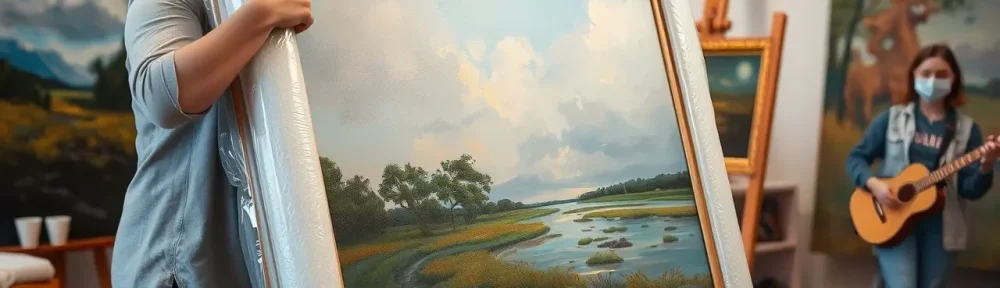
Transporting wet oil paintings is a challenging task that requires careful planning and execution to ensure the artwork remains undamaged. Wet oil paints are particularly sensitive and can be easily smudged, marred, or otherwise compromised during transit. This article will guide you through the essential steps and considerations for safely transporting wet oil paintings, with a focus on art transport, wet paint handling, and ensuring artwork safety.
Understanding the Nature of Wet Oil Paintings
Oil paintings can take weeks or even months to fully dry, depending on factors such as the thickness of the paint, the type of oil used, and environmental conditions. Proper drying techniques are crucial, but even so, artists often need to move paintings before they are fully cured. Knowing the characteristics of your medium helps in planning for its transportation.
Essential Supplies for Transporting Wet Oil Paintings
- Protective Materials: Use acid-free paper, glassine, or plastic wrap to shield the painting surface from dust and moisture.
- Artist Supplies: Ensure you have the right tools, such as palette knives and brushes, to make any necessary touch-ups post-transport.
- Canvas Protection: Corner protectors and bubble wrap are ideal for safeguarding the edges of the canvas.
Preparing the Painting for Transport
Before moving paintings, take the time to prepare them properly. This involves both physical protection and humidity control to preserve the painting’s integrity.
Steps for Preparation
- Framing Precautions: If the painting is framed, ensure that the frame is secure. Use screws or brackets to prevent any movement within the frame.
- Packaging Methods: Wrap the painting loosely with glassine to avoid sticking, and place it in a cardboard box or create a custom-sized crate for additional protection.
- Humidity Control: Use silica gel packets to absorb moisture and maintain a stable environment inside the packaging.
Choosing the Right Transport Equipment
Selecting the appropriate transport equipment is vital for the safe relocation of wet oil paintings. The method of transport can vary depending on the distance and mode of travel.
Options for Transportation
- Shipping Artwork: For long-distance moves, consider professional art shipping services that specialize in handling delicate and valuable art pieces.
- Art Transport Vehicles: Use vehicles equipped with climate control to maintain the optimal temperature and humidity levels.
- Custom Crates: For the utmost protection, custom-built crates can accommodate the specific dimensions and requirements of your painting.
Ensuring Safe Handling During Transport
The actual process of moving paintings is fraught with potential risks. It’s crucial to establish clear guidelines for wet paint handling and ensure everyone involved understands the importance of art conservation.
Best Practices for Handling
- Always lift the painting by the edges or frame to avoid marking the surface.
- Avoid stacking paintings directly on top of each other; use spacers or separators if necessary.
- Minimize exposure to direct sunlight and extreme temperature fluctuations during transit.
Post-Transport Considerations
Once the artwork has reached its destination, proper care must continue to ensure the painting dries without issues. This phase is critical in maintaining the quality and longevity of the artwork.
Post-Transport Guidelines
- Unpack the painting carefully, ensuring not to disturb the wet surface.
- Place the painting in a controlled environment with stable humidity and temperature for further drying.
- Inspect the painting for any damage and perform necessary repairs using appropriate artist supplies.
Successfully transporting wet oil paintings demands meticulous attention to detail and a deep understanding of oil painting care. By employing the right techniques and using the appropriate protective materials, you can ensure your artwork arrives safely at its destination. Whether you’re an artist moving your work to an exhibition or a collector transporting a newly acquired piece, these guidelines will help preserve the beauty and integrity of your paintings.