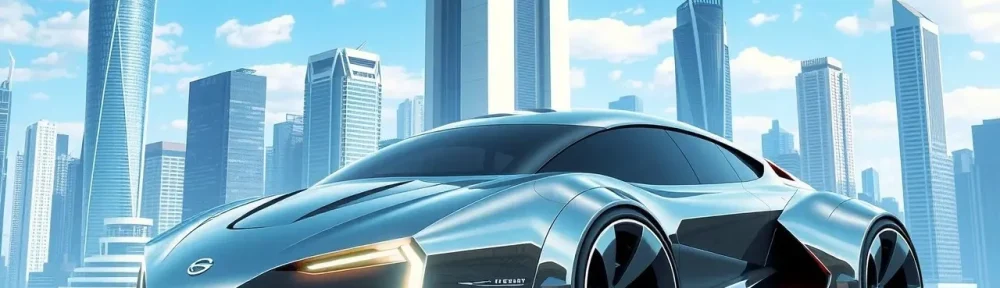
Transportation is the lifeblood of modern economies. It connects individuals to opportunities, facilitates trade, and is integral to the functioning of societies. In this article, we delve into the intricacies of “A v Transport” and explore how vehicles, logistics, and infrastructure play a pivotal role in shaping the future of transit and mobility.
The Role of Vehicles in Modern Transportation
Vehicles are the backbone of transportation systems. From personal cars to commercial trucks, they enable the movement of people and goods. The automotive industry is undergoing a transformation, driven by technological advancements and a shift towards sustainability. Electric vehicles (EVs) are becoming increasingly popular as they offer a cleaner alternative to traditional internal combustion engine vehicles, helping reduce the carbon footprint and emissions associated with transportation.
Logistics and Freight: The Heart of Supply Chains
Logistics and freight are crucial components of the supply chain. Efficient logistics networks ensure that goods are delivered on time and in good condition, which is essential for both businesses and consumers. The integration of technology in logistics has enhanced the efficiency of routes and reduced transit times, improving the overall supply chain performance.
Infrastructure: Supporting the Transportation Network
Infrastructure is fundamental to the effective functioning of transportation systems. Well-planned infrastructure, including roads, railways, and ports, supports the seamless movement of vehicles and goods. Urban planning plays a significant role in ensuring that infrastructure meets the growing demands of urban mobility and accessibility.
Transit Systems and Public Transport
Public transport systems are vital for reducing congestion and promoting sustainable urban development. Efficient transit systems enable easier commuting and reduce reliance on personal vehicles, thus contributing to lower emissions and energy consumption. Innovations in public transport, such as smart transit systems, enhance user experience and operational efficiency.
Technological Innovation in Transportation
Technology is at the forefront of transforming transportation. From autonomous vehicles to advanced telematics, innovation is driving the next generation of mobility. These technologies not only improve travel efficiency but also enhance safety and reduce the environmental impact of transportation.
Sustainability and Regulation in Transportation
Sustainability is a major focus in transportation planning and execution. Regulatory frameworks are being developed to ensure that transportation networks are environmentally friendly, reducing emissions and promoting energy efficiency. The adoption of sustainable practices in logistics and automotive industries is critical for achieving long-term environmental goals.
The Future of Mobility
The future of mobility lies in creating a seamless and integrated transportation ecosystem that prioritizes accessibility and efficiency. Electric vehicles, improved logistics, and sustainable urban planning will play crucial roles in shaping this future. The transportation network of tomorrow will be smarter, greener, and more inclusive, catering to the needs of a diverse population.