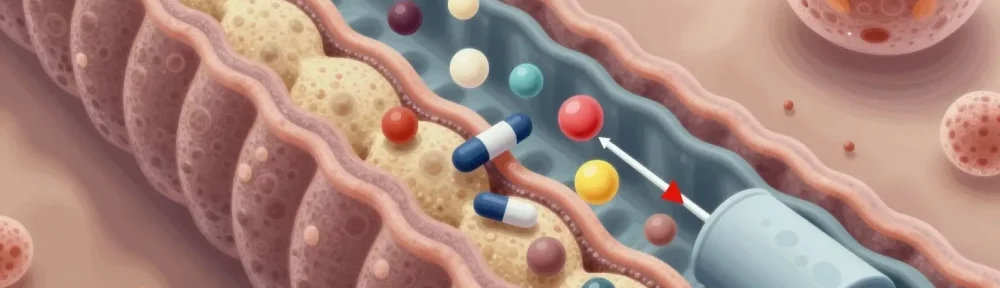
Active transport is a crucial cellular process that involves the movement of ions and molecules across the cell membrane against their concentration gradient․ This process is essential for maintaining homeostasis within biological systems and is powered by metabolic energy, primarily in the form of ATP (adenosine triphosphate)․
Key Components of Active Transport
- Energy: Active transport requires energy to move substances against the concentration gradient․
- Transport Proteins: Specific proteins, including carrier proteins, facilitate the movement of molecules and ions․
- ATP: The primary source of energy used in active transport to drive the movement of substances․
Mechanisms of Active Transport
Active transport mechanisms include the sodium-potassium pump, endocytosis, and exocytosis․ These processes are vital for various cellular functions, including nutrient uptake and waste removal․
Sodium-Potassium Pump
The sodium-potassium pump is a well-known example of active transport․ It exchanges sodium ions (Na+) for potassium ions (K+) across the cell membrane, crucial for maintaining cellular respiration and nerve impulse transmission․
Endocytosis and Exocytosis
Endocytosis involves the engulfing of substances into the cell, while exocytosis is the process of expelling materials from the cell․ Both require energy and are significant for the intake of large molecules and secretion of cellular products․
Comparison with Passive Transport
Unlike active transport, passive transport does not require energy and relies on the natural diffusion of molecules down their concentration gradient․ This includes processes like diffusion, osmosis, and facilitated diffusion․
False Statement Identification
To identify a false statement about active transport, one must understand that it inherently involves energy expenditure, typically through ATP, and the movement of substances against their concentration gradient․ Any statement suggesting that active transport does not require energy or occurs along the concentration gradient is false․