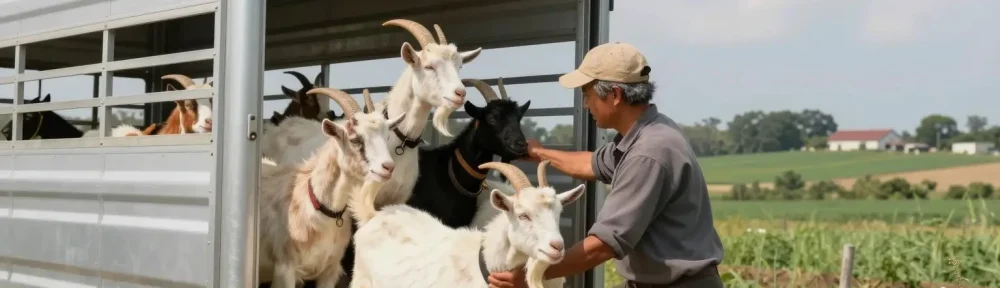
Transporting goats is a crucial aspect of livestock management, particularly in the context of farm and agriculture operations․ Ensuring the safe and efficient transport of goats requires careful planning and consideration of various factors, including the use of appropriate equipment and techniques to minimize stress and maintain animal welfare․ This article explores the key elements involved in goat transportation, focusing on livestock trailers, transport crates, fencing, ventilation, bedding, feed, water, safety, handling, and more․
Choosing the Right Vehicle
Selecting the appropriate vehicle for transporting goats is the first step in ensuring a safe journey․ A livestock trailer is often the best choice, as it is specifically designed to accommodate animals․ Consider the following when choosing a trailer:
- Size: The trailer should be large enough to comfortably hold the goats without overcrowding․ Adequate space helps reduce stress and prevents injuries․
- Ventilation: Proper ventilation is crucial to maintain airflow and prevent overheating․ Look for trailers with ventilation slats or openings․
- Safety Features: Ensure the trailer has secure latches and doors to prevent accidental escapes․
Preparing the Trailer
Once the appropriate trailer is chosen, it is vital to prepare it for transportation․ This includes:
- Bedding: Use appropriate bedding material, such as straw or wood shavings, to provide comfort and absorb moisture․
- Fencing: Ensure the interior of the trailer has secure fencing to prevent goats from shifting excessively during transit․
- Cleaning: Clean and disinfect the trailer before use to prevent the spread of diseases․
Loading and Securing the Goats
Proper loading and securing of goats are essential to ensure their safety and reduce stress․ Consider the following steps:
- Loading Ramp: Use a loading ramp to make it easier for goats to enter the trailer․ This helps prevent injuries and reduces stress․
- Handling: Handle goats calmly and gently to minimize stress․ Use restraint devices if necessary to keep them secure during loading․
- Secure Restraint: Ensure goats are securely restrained within the trailer to prevent movement that could lead to injuries․
Providing for Basic Needs During Transport
During transportation, it is important to provide for the basic needs of the goats to maintain their welfare:
- Feed and Water: Provide access to feed and water, especially for long journeys․ Consider using transport crates with built-in feed and water containers․
- Comfort: Make sure the bedding is sufficient for comfort, especially for longer travel distances․
Safety and Monitoring
Safety is paramount when transporting goats․ Follow these guidelines to ensure a safe journey:
- Regular Checks: Regularly check on the goats during transit to ensure they are comfortable and not experiencing undue stress․
- Driving: Drive cautiously and avoid sudden stops or turns that could disturb the animals․
- Emergency Preparedness: Be prepared for emergencies by having a first-aid kit and knowing the locations of veterinary services along the route․
Stress Reduction Techniques
Reducing stress during transportation is crucial for maintaining the health and well-being of goats․ Consider these techniques:
- Familiarization: Acclimate goats to the trailer before the journey by allowing them to explore it in a non-threatening environment․
- Travel Distance: Plan routes to minimize travel distance and time, reducing the overall stress on the animals․
- Quiet Environment: Maintain a calm and quiet environment within the trailer to reduce noise-related stress․
Animal Welfare Considerations
Animal welfare is a critical consideration in goat transportation․ Ensuring their physical and psychological well-being is vital for ethical farming practices:
- Secure Environment: Ensure the trailer is secure and free from hazards that could harm the goats․
- Handling Practices: Use gentle and humane handling practices to prevent injury and stress․
- Legal Compliance: Adhere to all legal regulations and guidelines for livestock transport to ensure compliance and animal welfare․
Post-Transport Care
After transporting goats, it is important to provide appropriate care to help them recover from the journey:
- Rest: Allow goats to rest in a comfortable and familiar environment after reaching their destination․
- Hydration and Nutrition: Ensure they have access to fresh water and feed to replenish energy lost during transport․
- Health Check: Conduct a health check to identify any signs of stress or injury that may have occurred during transit․
Transporting goats safely and efficiently requires careful planning and execution․ By selecting the right vehicle, preparing the trailer, securing the goats, and providing for their needs during transport, farmers can ensure a safe and stress-free journey․ Attention to animal welfare and post-transport care further contribute to the overall well-being of the goats․ Adhering to these guidelines not only ensures compliance with agricultural standards but also promotes ethical and sustainable livestock management․